MYSTERIES
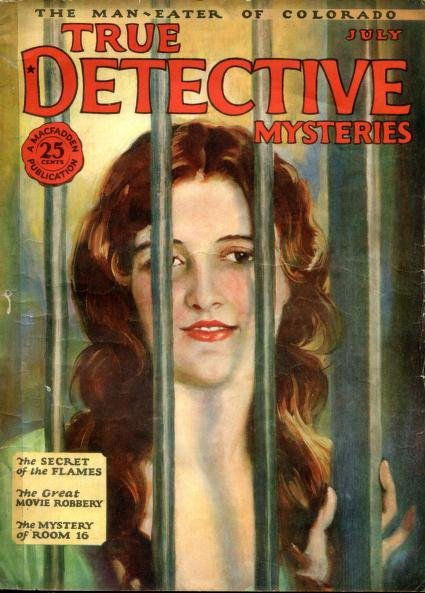
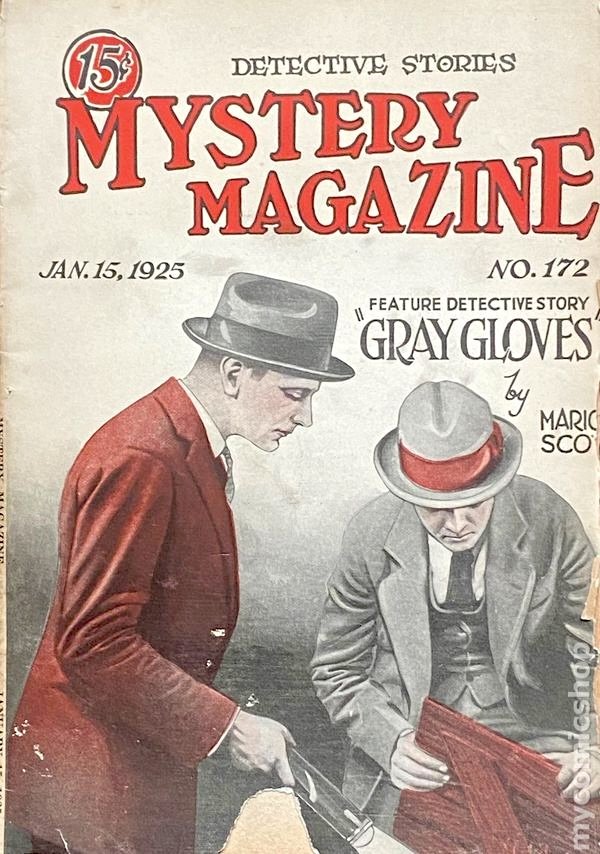
The 1920s saw a great blossoming of the mystery novel. They came in short story form and novels, and both the stories and the serialized novels were published in genre magazines like Mystery, True Detective, Secret Service, and True Police Stories. These magazines were successful enough that H.L. Mencken and George Jean Nathan started one the best of them, Black Mask, to help support their literary magazine American Mercury, which always ran at a loss. Black Mask published Dashiell Hammett, Raymond Chandler, Paul Cain, Erle Stanley Gardner, and other luminaries in the 1920s and 1930s.
In Germany in 1925, Siegfried Kracauer published Der Detektiv-Roman (The Detective Novel), subtitled A Philosophical Treatise, which made an argument for the aesthetic and philosophical value of the new genre. Detective stories are structured by specific forms of bureaucratic rationalization, he wrote, and the growing alienation and fragmentation at the center of modern life. (See entry for Adorno, Kracauer, & Benjamin.)
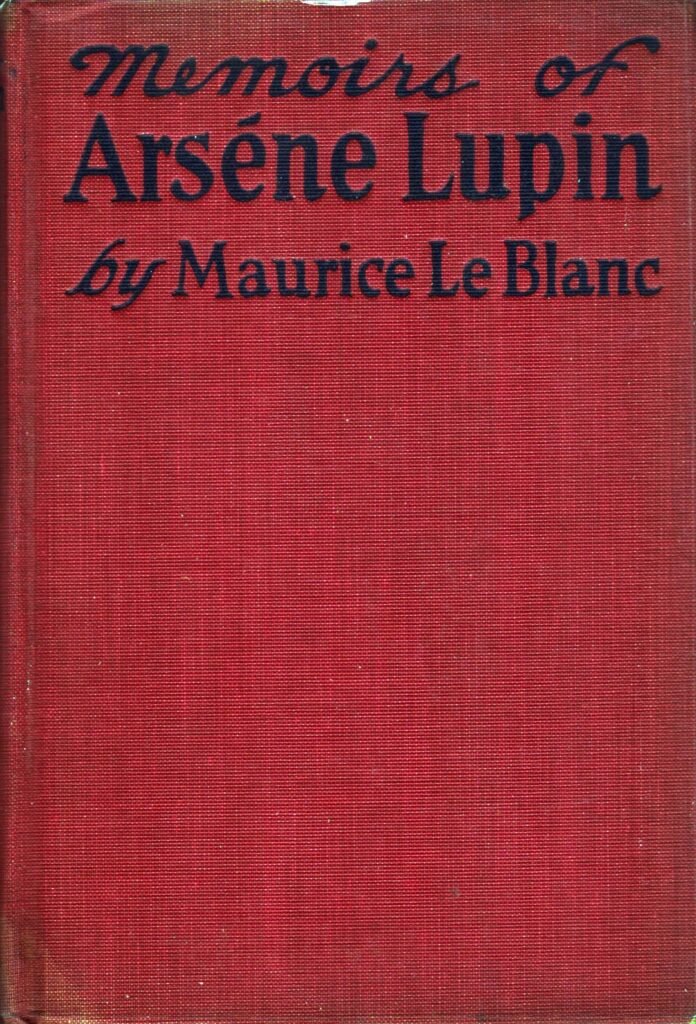
However new the genre, a New York Herald Tribune review noted, in reference to Maurice Le Blanc’s Memoirs of Arsène Lupin (1925): “The style of these mystery stories is too well known to require extended comment. The baffling complications start early and are maintained without interruption.”
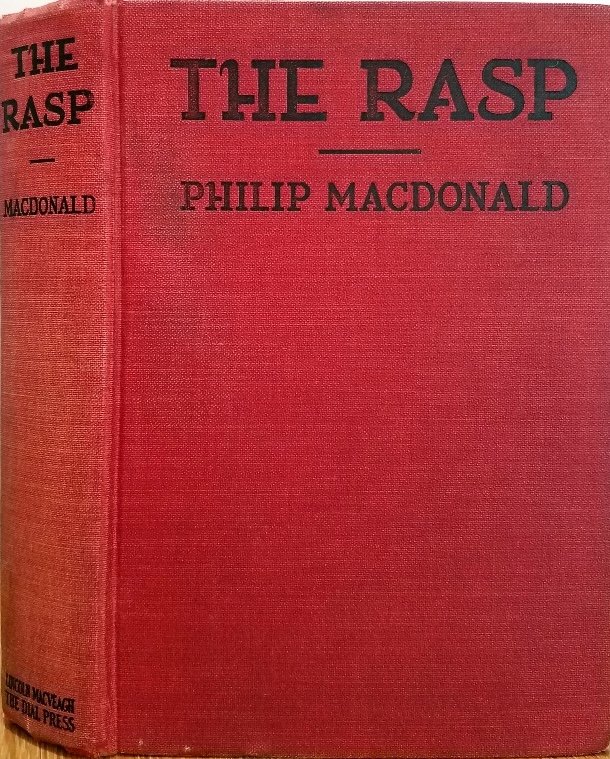
Screenwriter Philip MacDonald’s first of many novels, The Rasp (1925), introduced his main character, a detective named Col. Anthony Gethryn. MacDonald wrote the screenplay for Alfred Hitchcock’s Rebecca and films based on other mystery writers’ characters—Charlie Chan and Mr. Moto among them.
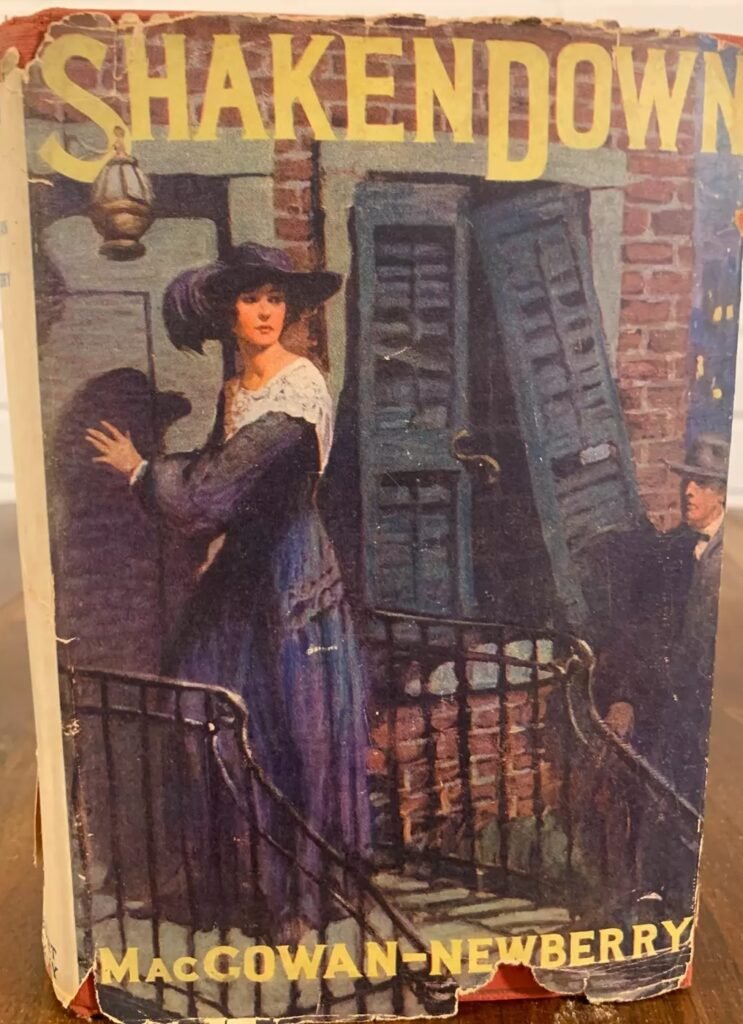
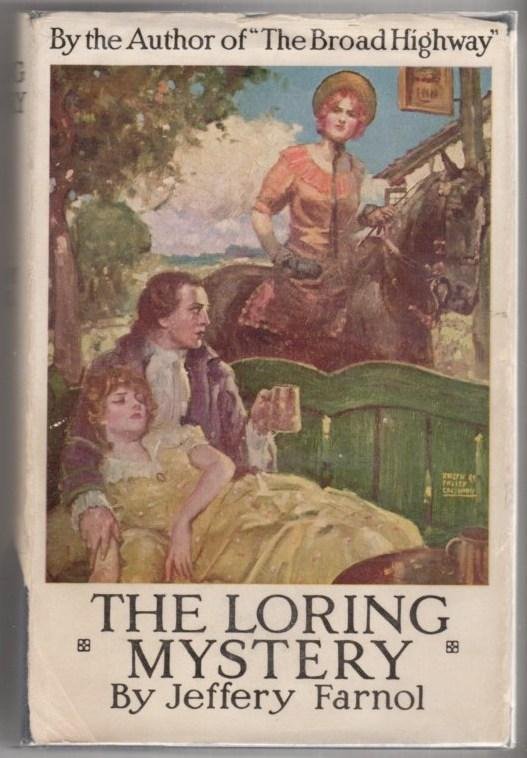
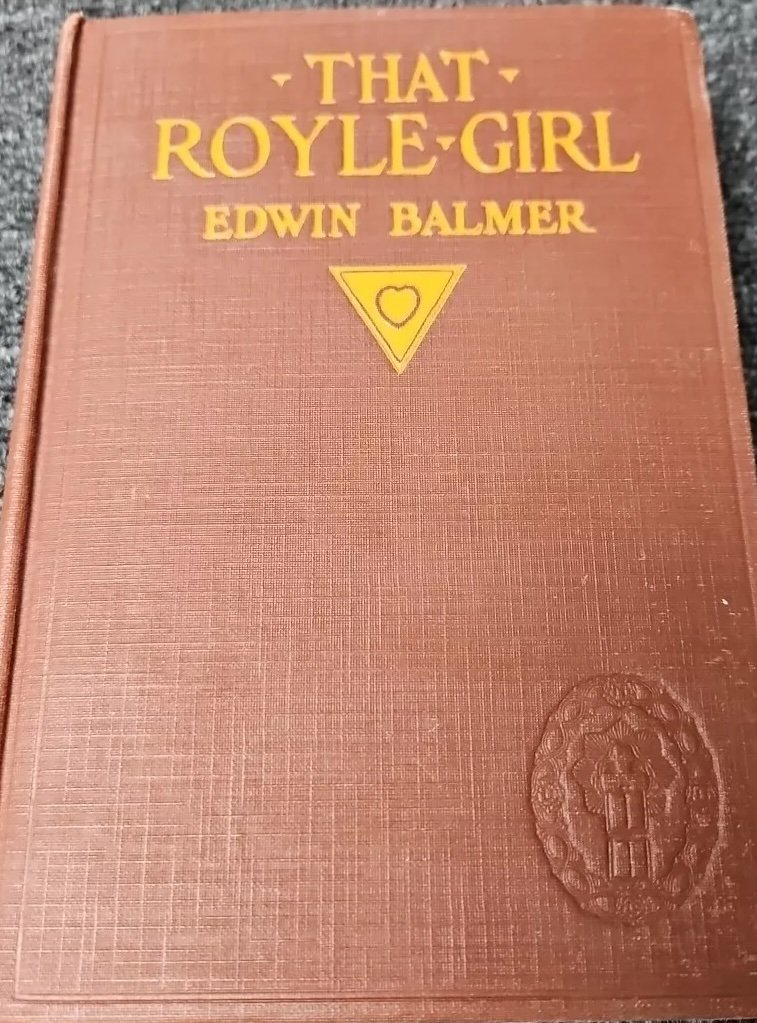
Many Mystery novels were mixed, generically: John Doblen Mackworth’s Axe is Laid (1925) was basically a spy novel, as was his Broadcast (1925)—reviewers couldn’t decide whether to call them mysteries or adventure novels. Sinclair Gluck’s Thieves’ Honor was called a mystery but was also an international thriller. Jeffery Farnol’s Loring Mystery (1925) is a historical romance novel with a mystery in the middle, or vice versa. Edwin Balmer’s That Royle Girl (1925) shades into what we would now call a legal thriller. Several were police procedurals, like Alice MacGowan and Perry Newberry’s Shaken Down (1925), which employs the structure that would become perennial—a young policeman needs to go around his corrupt superiors and break some laws to solve the case.
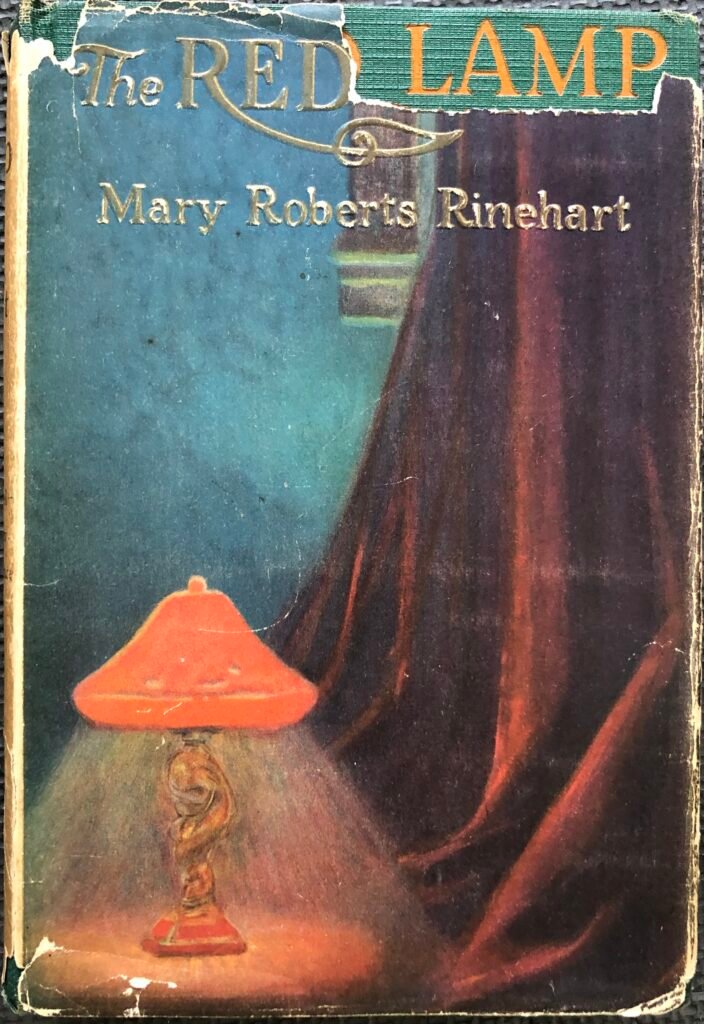
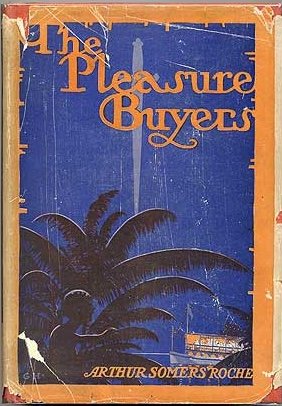
Perennially bestselling Mary Rinehart was careful to give the seaside cottage in The Red Lamp (1925) no identifying geographical details, while Arthur Somers Roche set Pleasure Buyers (1925) in Palm Beach, and called it Palm Beach.
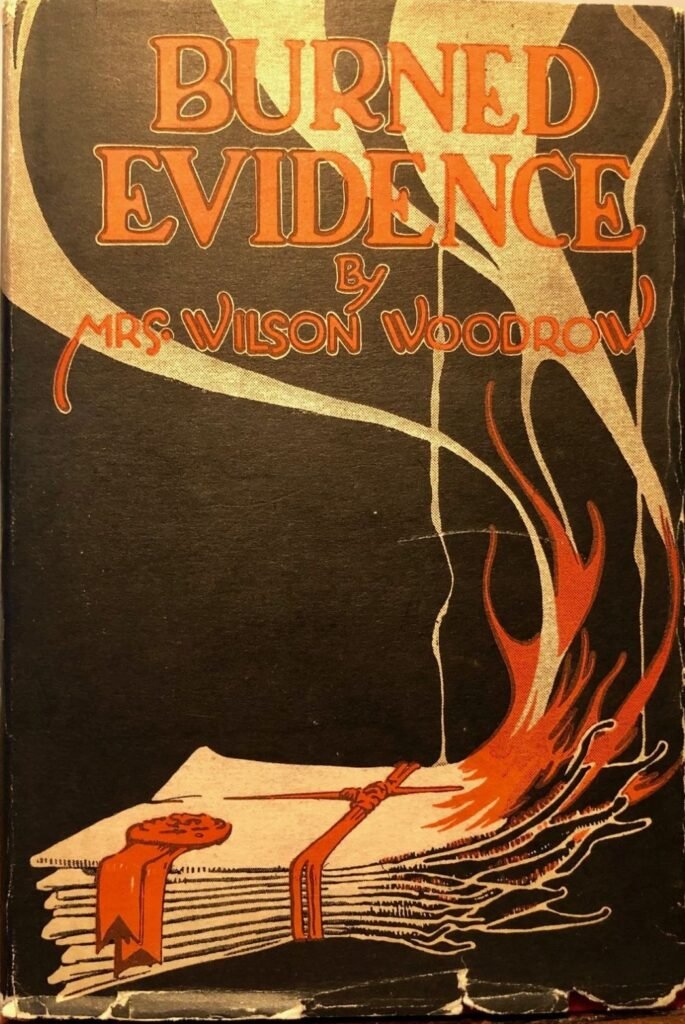
“Mrs. Wilson Woodrow” was the quasi-penname of Nancy Mann Waddel Woodrow, who was married to a James Wilson Woodrow, who was a distant cousin of Woodrow Wilson’s. She was a well-reviewed writer of mystery novels and magazine stories. Twenty-six of them were made into films, starting in 1914. Her Burned Evidence (1925) was not one of them.
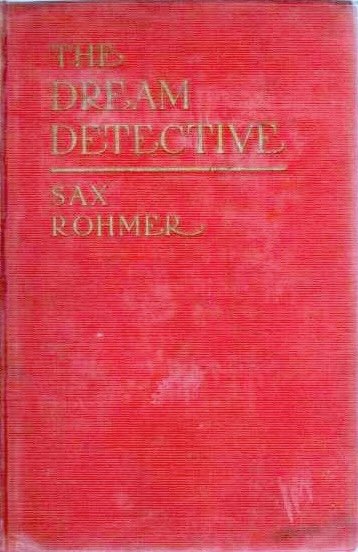
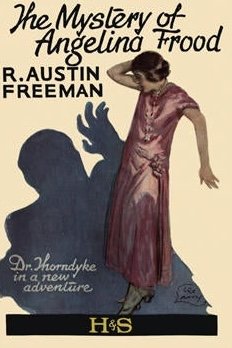
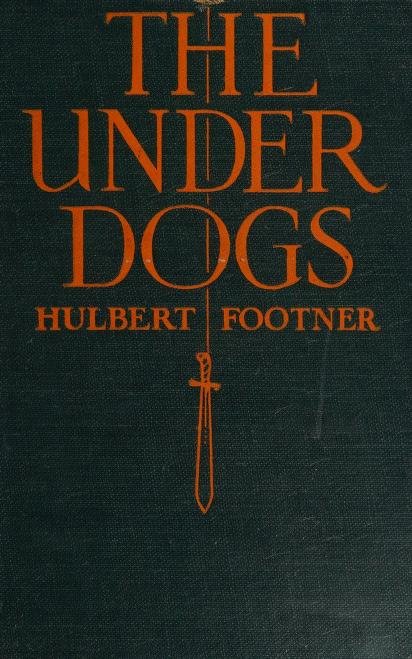
Screenwriter Philip MacDonald’s first of many novels, The Rasp (1925), introduced his main character, a detective named Col. Anthony Gethryn. MacDonald wrote the screenplay for Alfred Hitchcock’s Rebecca and films based on other mystery writers’ characters—Charlie Chan and Mr. Moto among them. Howel Evans, in Murder Club (1925), uses a new and “ingenious” structure, in which a group of amateur detectives work together to solve crimes. James Hay’s The Bellamy Case (1925) is a murder mystery set in the world of Southern politics, featuring series detective Jefferson HastingsDark. Sax Rohmer, of “Fu Manchu” infamy, published Dream Detective (1925), featuring an antique shop owner and part-time detective by the name of Moris Klaw. R. Austin Freeman’s Mystery of Angelina Frood, The Puzzle Lock, and The Shadow of the Wolf (all 1925) are among the 30-plus featuring Dr. Thorndyke, a forensic medical investigator, as the detective. Freeman was a rabid anti-Semite, spelled out in his eugenicist Social Decay and Regeneration (1921). In Jennette Barbour Lee’s Read Right, Miss Millicent Newberry, detective and psychologist, works upon the theory that once the underlying motive of a crime is discovered, the problem is practically solved. Other female sleuths include Hulbert Footner’s Madame Rosika Storey, a semi-pro with a pet monkey; she was introduced in The Under Dogs (1925). Harrington Hext (a pseudonym for Eden Philpotts) published The Monster (1925), with secret passageways and an underground tunnel, and published Voice from the Dark (1925) under his own name. Others include Archibald Marshall’s Mystery of Redmarsh Farm, Charles Judson Dutton’s Second Bullet, R.T.M. Scott’s The Black Magician (1925), and many, many more.
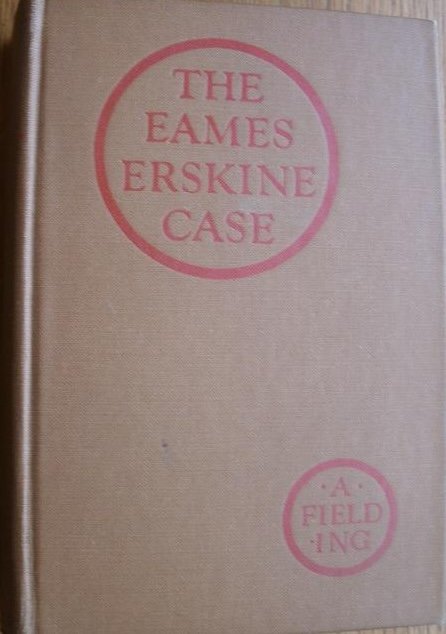
For some reason I cannot explain, Simeon Strunsky, a writer and book reviewer for the New York Times for 20 years, claimed that Archibald Fielding’s The Eames-Erskine Case (1925) “has the finest first paragraph that I can recall in my long career of crime.” The first paragraph, in its entirety, is, “The door opened noiselessly, and four men came in. They were in plain clothes, and one carried a large box.”
(See also articles on mystery writers Herbert Adams, Earl Derr Biggers, James M. Cain, Agatha Christie, Arthur Conan Doyle, Erle Stanley Gardner, Dashiell Hammett, Carolyn Wells, and Sidney Clark Williams.)
(click on cover for full text)